Kolo DC: SE2 Tellus Stockholm
About SE2 Tellus Stockholm
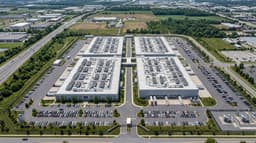
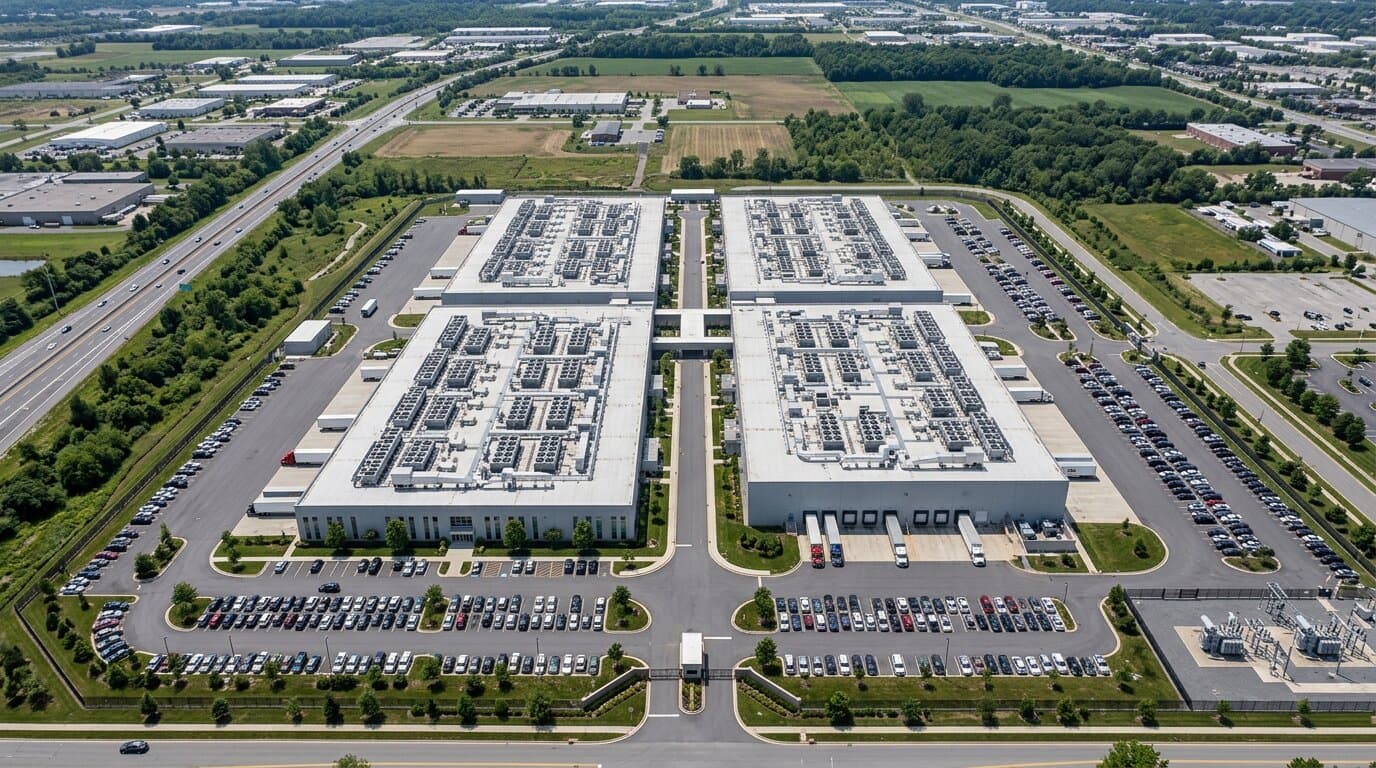
SE2 Tellus Stockholm is a data center operated by Kolo and located in the southern part of Stockholm, Sweden. Kolo presents the facility as one of its two interconnected Stockholm metro sites, with SE2 positioned approximately 10 km from SE1 Atlas to provide built-in geographic redundancy. The site benefits from direct access to the E4/E20 corridor, is about 25 minutes from central Stockholm, and is roughly 45 minutes by road from Stockholm Arlanda Airport.
Within the Nordic region, Stockholm is one of the most important economic and digital hubs, and Kolo explicitly frames the market around cloud adoption, connectivity, innovation, and sustainable energy availability. SE2 is positioned for enterprise, AI, HPC, and hybrid deployments that require resilient metro access, high-density colocation, and Swedish sovereign infrastructure supported by renewable energy and heat-reuse practices.
⚙️ Facility Highlights
- Part of Kolo’s Stockholm twin-site platform, interconnected with SE1 Atlas for geographic redundancy.
- Combined power capacity across Kolo’s Stockholm facilities is publicly stated as 6 MW.
- True N+N power distribution with independent A+B power paths to each cabinet.
- Backup systems are described as N+N and Tier 3 equivalent.
- Powered by 100% certified Swedish renewable energy backed by Guarantees of Origin.
- Hot/cold aisle containment with N+1 redundant cooling units.
- Supports high-density deployments of up to 50 kW per cabinet.
- Free cooling is operational for approximately 40% annually, using Sweden’s climate conditions.
- Closed-loop cooling systems use low-GWP refrigerants.
- Excess heat is supplied to the district heating network.
- On-site solar panels contribute to the renewable energy supply.
- Colocation configurations scale from a single cabinet to private suites with custom terms.
- On-site migration and setup support is available.
- On-site support is available during business hours, with 24/7 on-call availability and 24/7 Remote Hands service.
🔐 Security & Compliance
- SSF Protection Class 3 facility.
- 24/7/365 security guard presence.
- Multi-factor authentication access control.
- Double interlocked door systems at entry points.
- Adaptable security controls with client-specific enhancements available on request, including EMP protection.
- Fire detection is based on a VESDA early warning system.
- Fire suppression includes zoned Inergen and Novec gas suppression.
- Secure customer environments include private suites, secure staging areas, unpacking zones, and dedicated customer work areas.
- The facility is in Sweden, so hosted environments operate within an EU jurisdiction where GDPR is relevant.
🌐 Connectivity & Carrier Access
- Located in the Stockholm metro with direct E4/E20 access and twin-site resilience with SE1 Atlas.
- Positioned for low-latency enterprise and AI workloads in the Stockholm market. This is supported by Kolo’s description of the Stockholm facilities as metro-edge infrastructure and by SE2’s high-density technical profile.
- Suitable for AI, HPC, and hybrid deployments.
- Kolo’s broader platform includes private links to AWS, Azure, Google Cloud, and sovereign clouds, but this is platform-level positioning rather than an SE2-only cross-connect list.
💼 Who It Serves
- Enterprises requiring sovereign colocation in Stockholm.
- Organizations deploying AI and HPC workloads that need high-density rack capacity.
- Businesses implementing hybrid deployments with private infrastructure control.
- Customers needing single-cabinet through private-suite colocation footprints.
- Organizations implementing dual-site resilience across the Stockholm metro.