//
AI Startups Are Leasing 10–50 MW Blocks of Colocation Capacity
21 Mar 2026 by Datacenters.com Technology
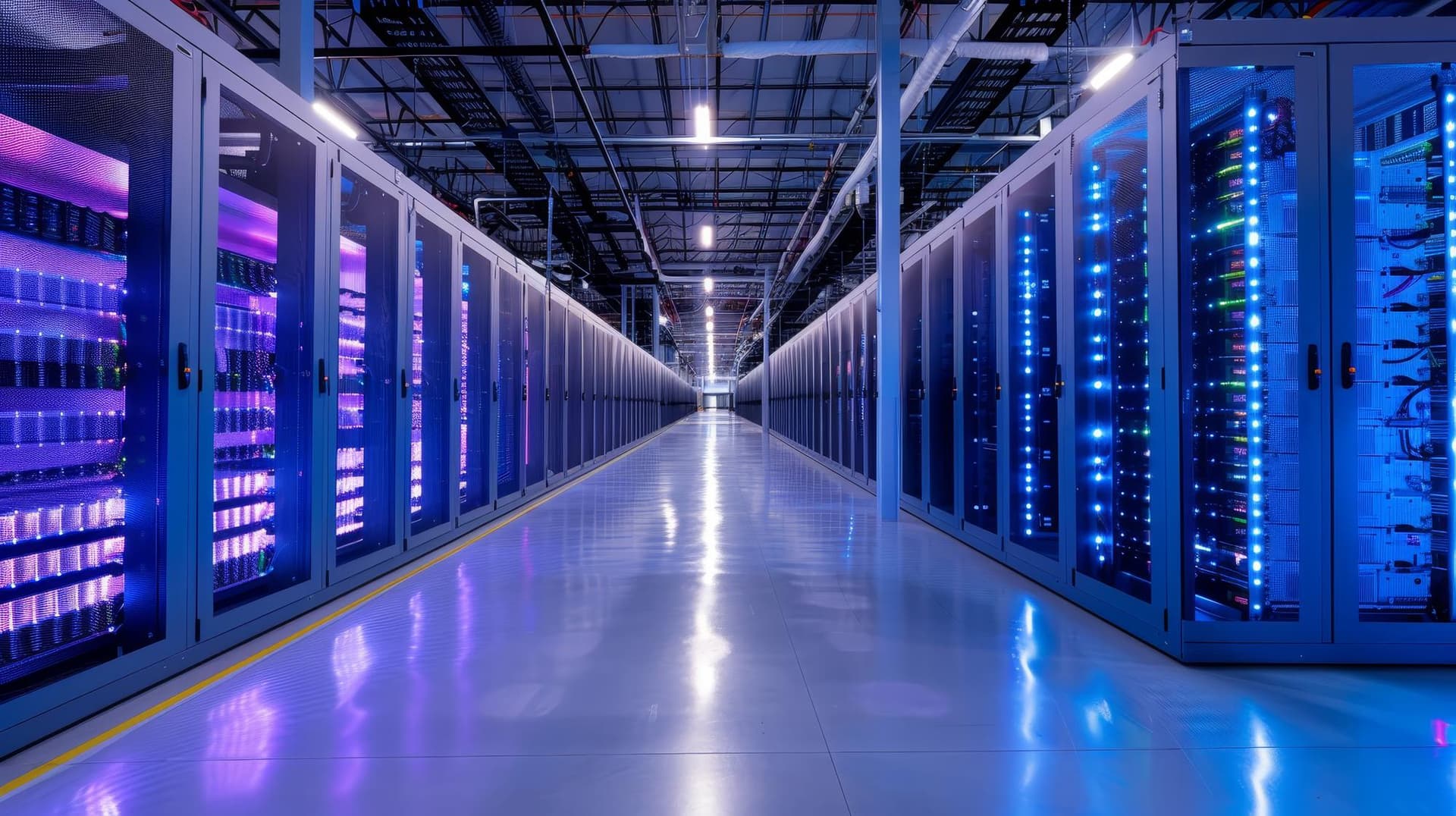
Artificial intelligence startups are rapidly becoming one of the most influential demand drivers in the data center industry. As competition intensifies in the race to build advanced AI models, these companies are securing increasingly large blocks of infrastructure capacity. What was once considered hyperscale territory is now being entered by well-funded AI startups leasing between 10 and 50 megawatts of colocation capacity to support their growth.
This shift is redefining both the scale and structure of the colocation market. Startups that previously operated with limited infrastructure footprints are now deploying capacity at levels comparable to large enterprises. The urgency to access computing resources, combined with the time constraints of building new facilities, is pushing these companies toward colocation providers that can deliver immediate, high-density capacity.
The result is a new phase of demand in which AI startups are not just participants in the data center ecosystem. They are becoming major drivers of infrastructure expansion.
From Startup to Infrastructure Consumer at Scale
Traditionally, startups have been associated with small, incremental infrastructure needs. Early-stage companies would typically rely on public cloud services or lease small amounts of colocation space measured in kilowatts or low megawatts. Their infrastructure strategy was often flexible, designed to scale gradually as the business grew.
Artificial intelligence startups are operating under a different model. Many are entering the market with significant funding and ambitious technological goals. Building competitive AI models requires access to large-scale computing infrastructure from the outset, not as a later stage of growth.
As a result, these companies are securing capacity in the range of 10 to 50 megawatts, sometimes even higher, depending on the scale of their AI workloads. This level of demand places them in a category that overlaps with hyperscale cloud providers and large enterprises.
The shift reflects a broader change in how startups approach infrastructure. Instead of scaling gradually, they are scaling immediately.
The Role of Colocation in AI Infrastructure Strategy
Colocation has become a critical component of AI infrastructure strategy for startups. Building a data center from the ground up can take years, involving complex processes such as land acquisition, permitting, construction, and power provisioning. For AI companies operating in a highly competitive environment, waiting for new infrastructure to be developed is not a viable option.
Colocation providers offer a faster path to deployment. By leasing space within existing facilities, startups can access power, cooling, and connectivity infrastructure that is already in place. This allows them to deploy hardware quickly and begin training models without delay.
The ability to secure large blocks of capacity on relatively short timelines has made colocation an attractive solution for AI startups. It enables them to focus on developing their technology rather than managing infrastructure development.
At the same time, colocation providers are adapting to meet this new type of demand, offering higher-density environments and flexible capacity options.
High-Density Requirements Drive Facility Design
AI workloads require significantly higher power density than traditional computing environments. GPU clusters used for machine learning can consume far more energy per rack than standard enterprise servers, often exceeding 30 kilowatts per rack and in some cases reaching 100 kilowatts or more.
This level of density places new demands on data center design. Facilities must be capable of delivering large amounts of power while also managing the heat generated by high-performance hardware. Advanced cooling systems, including liquid cooling technologies, are becoming increasingly important in supporting these environments.
Colocation providers that can accommodate high-density deployments are better positioned to attract AI startup customers. This has led to increased investment in facility upgrades and new construction designed specifically for AI workloads.
The shift toward high-density infrastructure is not limited to startups. It is becoming a standard requirement across the industry as AI adoption grows.
Speed to Market Is a Competitive Advantage
In the AI sector, speed is often the most critical factor determining success. Companies are racing to develop and deploy new models, and the ability to access computing resources quickly can provide a significant competitive advantage.
Leasing colocation capacity allows startups to accelerate their time to market. Instead of waiting for infrastructure to be built, they can deploy hardware immediately and begin training models.
This advantage is particularly important in a market where technological advancements occur rapidly and the window of opportunity for innovation can be short. Companies that can iterate quickly and scale their infrastructure are more likely to succeed.
The demand for speed is one of the key reasons why AI startups are leasing large blocks of colocation capacity rather than pursuing slower, build-to-suit options.
The Economics of Leasing 10–50 MW
Leasing 10 to 50 megawatts of data center capacity represents a significant financial commitment. However, for many AI startups, this investment is justified by the potential returns associated with developing advanced AI technologies.
The cost of infrastructure must be weighed against the value of the computing power it enables. Training large models can unlock new capabilities and revenue opportunities, making infrastructure a critical enabler of business growth.
In addition, leasing capacity allows companies to avoid the capital expenditure associated with building their own data centers. Instead of investing in land, construction, and energy infrastructure, they can allocate resources toward hardware and software development.
This shift from capital expenditure to operational expenditure aligns with the fast-paced nature of the AI industry, where flexibility and speed are essential.
Pressure on Colocation Supply
The growing demand from AI startups is placing pressure on the supply of available colocation capacity. Facilities that can support high-density deployments and large power requirements are becoming increasingly scarce in key markets.
This scarcity is particularly evident in regions with strong connectivity and access to renewable energy. As more companies compete for limited capacity, pricing dynamics may shift, and availability may become more constrained.
Colocation providers are responding by expanding their facilities and developing new campuses designed to support AI workloads. However, the pace of demand growth continues to challenge the industry’s ability to deliver capacity quickly.
The competition for space is likely to intensify as AI adoption accelerates.
The Blurring Line Between Startups and Hyperscalers
One of the most notable aspects of this trend is how it blurs the line between startups and hyperscale operators. In terms of infrastructure demand, some AI startups are now operating at a scale that was previously associated only with large technology companies.
This convergence is changing how the industry categorizes its customers. Startups are no longer defined solely by their size or stage of development. They are defined by their infrastructure requirements and the scale of their ambitions.
For colocation providers, this means adapting to a new type of customer that combines the agility of a startup with the demand profile of a hyperscaler.
The implications extend beyond infrastructure. They reflect a broader shift in the technology landscape, where innovation is occurring at unprecedented speed and scale.
Geographic Considerations and Market Selection
The choice of location remains a critical factor for AI startups leasing colocation capacity. Companies must consider factors such as power availability, network connectivity, latency, and regulatory environment when selecting a data center location.
Regions with strong energy infrastructure and access to renewable power are particularly attractive, as they can support the high energy demands of AI workloads while aligning with sustainability goals.
At the same time, proximity to major network hubs and population centers can improve performance and reduce latency for end users.
As demand grows, new markets are emerging as viable locations for AI infrastructure, expanding the geographic footprint of the data center industry.
The Future of AI-Driven Colocation Demand
The trend of AI startups leasing large blocks of colocation capacity is likely to continue as the industry evolves. As models become more complex and datasets grow larger, the need for high-performance computing infrastructure will increase.
Colocation providers will play a key role in meeting this demand by offering flexible, scalable solutions that enable rapid deployment.
The relationship between AI companies and colocation providers is becoming more strategic, with long-term partnerships forming to support ongoing infrastructure needs.
This evolution reflects a broader shift in the data center industry, where the focus is increasingly on enabling advanced computing capabilities rather than simply providing space and power.
A New Phase of Infrastructure Demand
The emergence of AI startups as major consumers of colocation capacity marks a new phase in the development of digital infrastructure. It highlights the growing importance of AI as a driver of demand and the need for infrastructure capable of supporting its growth.
Leasing 10 to 50 megawatts of capacity is no longer an outlier. It is becoming a standard requirement for companies operating at the forefront of AI innovation.
As this trend continues, it will reshape the colocation market, influence facility design, and drive further investment in infrastructure.
The data center industry is entering a period of rapid transformation, and AI startups are at the center of that change.

Author
Datacenters.com Technology
Datacenters.com is the fastest and easiest way for businesses to find and compare solutions from the world's leading providers of Cloud, Bare Metal, and Colocation. We offer customizable RFPs, instant multicloud and bare metal deployments, and free consultations from our team of technology experts. With over 10 years of experience in the industry, we are committed to helping businesses find the right provider for their unique needs.
Talk to Expert